New Williams Lake Dam will have Far-Reaching Effects
[WooHoo! You can continue to enjoy our 2026 April Fools Joke right here. All past April 1st foolish postings are available on the April Fools Archive page (click here). And remember, whatever your feelings about eels, they are an important part of our lake's ecosystem!

If you'd like to consider becoming a WLCC member, visit our Membership page (click here).]
This year will see the completion of a new Williams Lake dam that will keep the lake’s water at historic levels. A crucial part of the design is the fish ladder that allows marine creatures to pass from the ocean into the lake and back again.
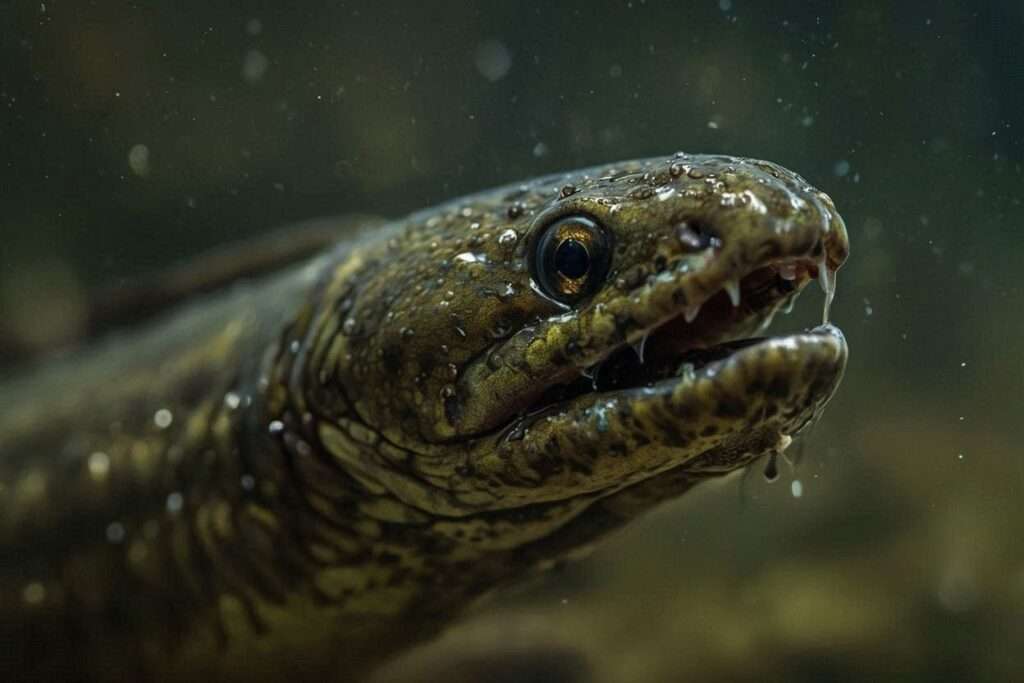
One species stands to benefit directly from the ladder – swimmers in Williams Lake are much more likely to come face to face with the freshwater or American Eel.
Eels are predatory fish with carnivorous diets, which can reach up to a metre in length. They already live in Williams Lake, but the new dam makes it possible to capitalize on the excellent eel habitat that the lake provides, and not a moment too soon. Eels are a critically endangered species.
Importance of the Dam and Fish Ladder
Dams tend to block eel migration routes, preventing juveniles from reaching upstream feeding grounds and trapping adults that need to return to the ocean to spawn. Williams Lake is lucky – eels have been able to find their way into the lake via Lawson’s Creek for many years and the fish ladder will make sure that this continues.
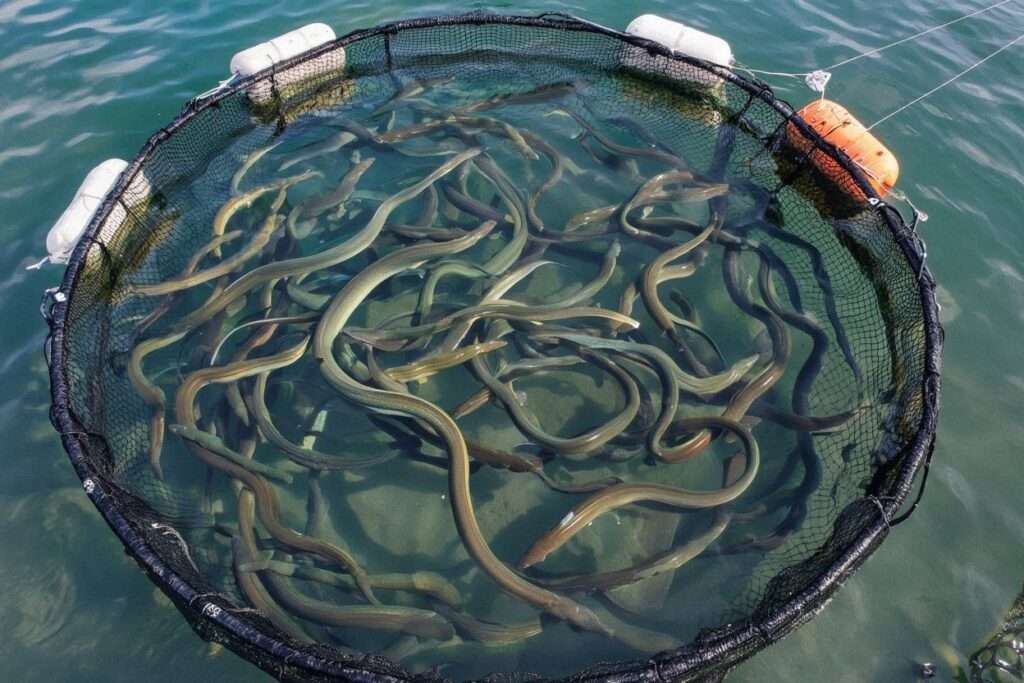
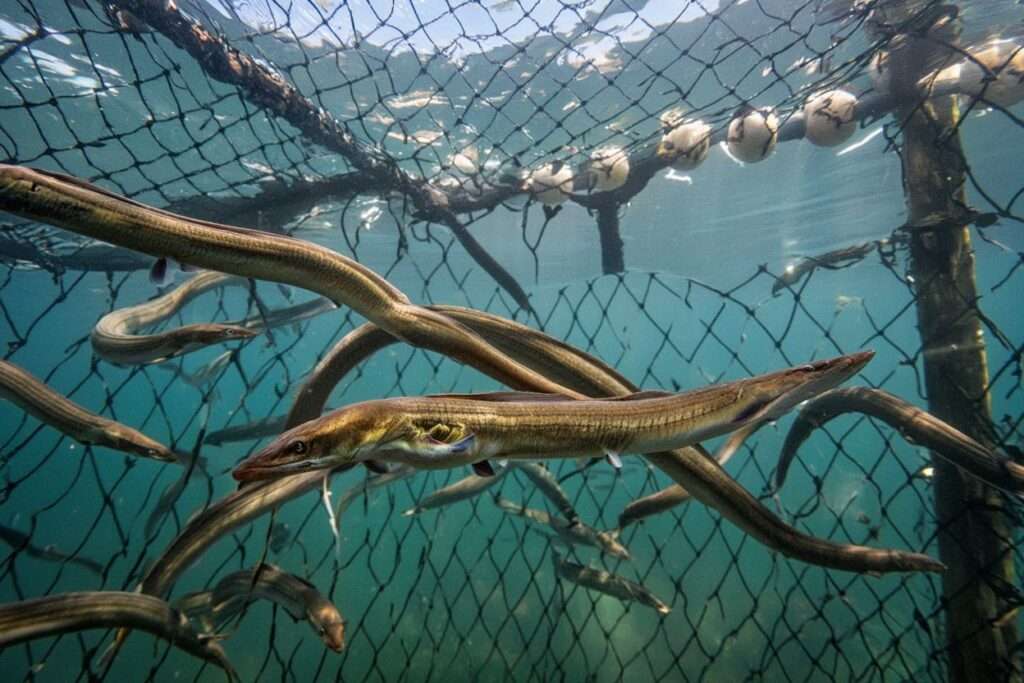
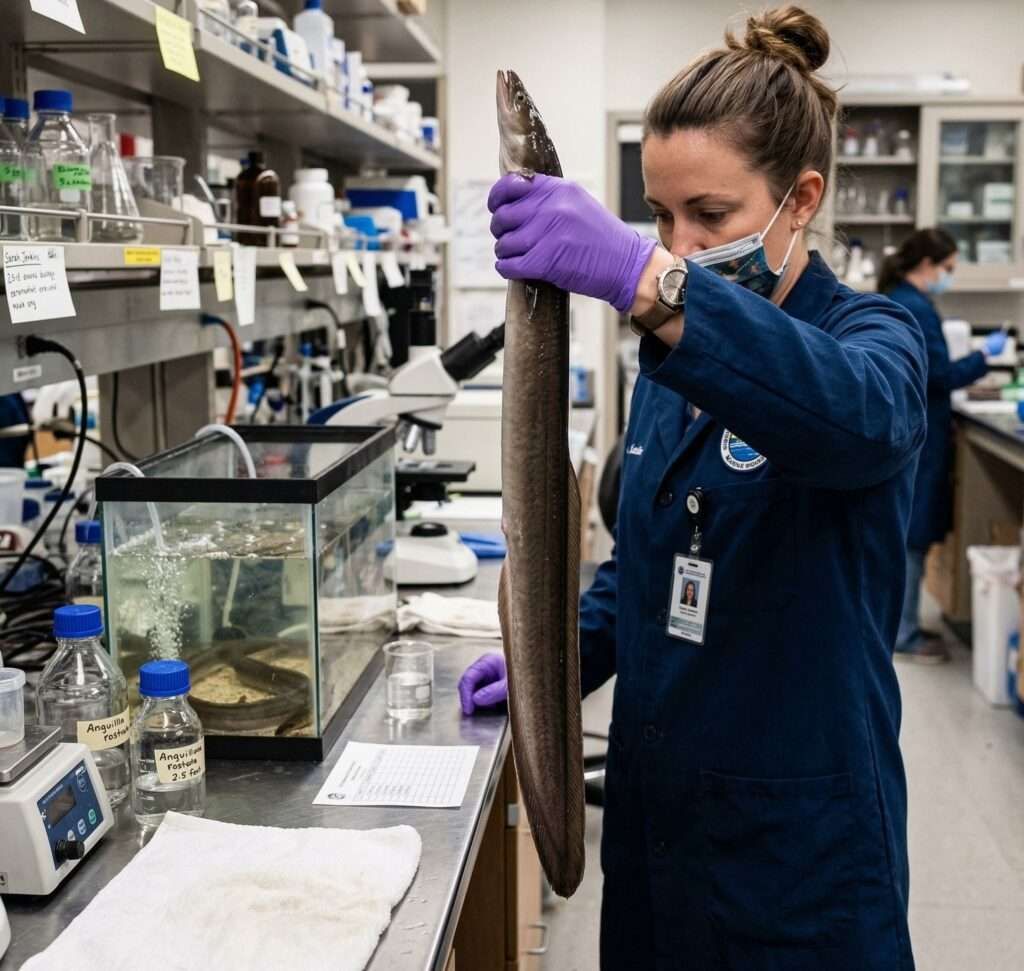
And because the new dam will keep water levels high, it is now possible to breed eels in the lake – and that is exactly what is planned. A British-Canadian joint venture will soon be captive-raising eels in the fresh clean waters of Williams Lake.
How Will It Work?
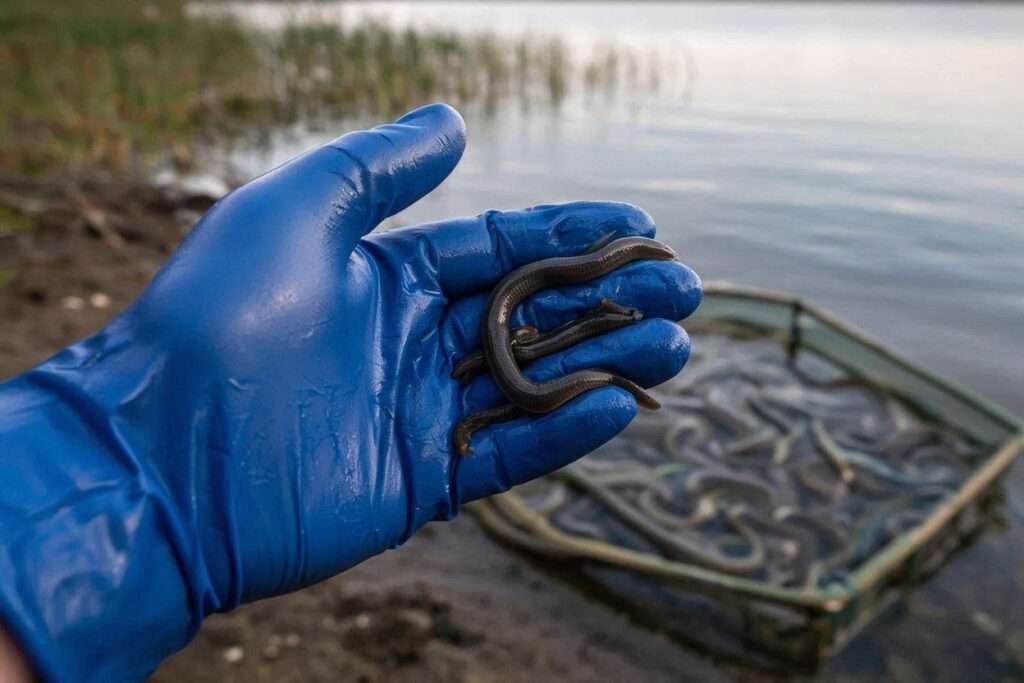
Most eels are active at night, but a special breed of freshwater eels that are active during the day will be raised in micro-mesh enclosures in Williams Lake. Feed for the eels will be crabs, sea urchins, crayfish, and leeches. Although some leeches may escape the breeding pens they will actually act as a a valuable food source for native river otters, mink, herons and osprey.
Are there downsides to raising eels in Williams Lake?
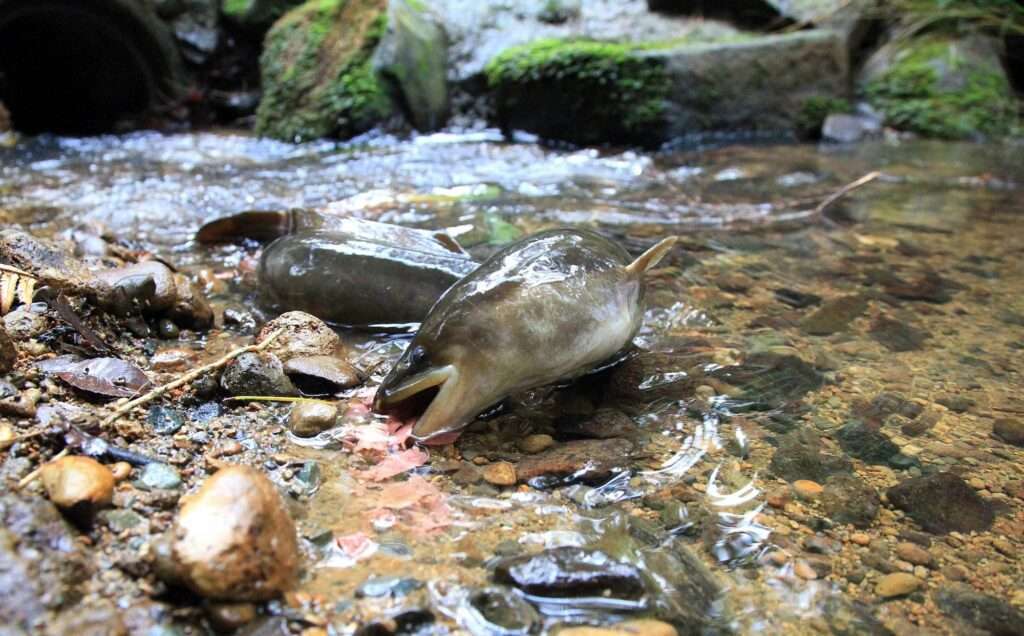
All conservation efforts require trade-offs. A few eels will undoubtedly escape, as may some of their live prey foodstuffs. Eels may bite mistakenly (more on that below). Dead eels may wash up on shore.
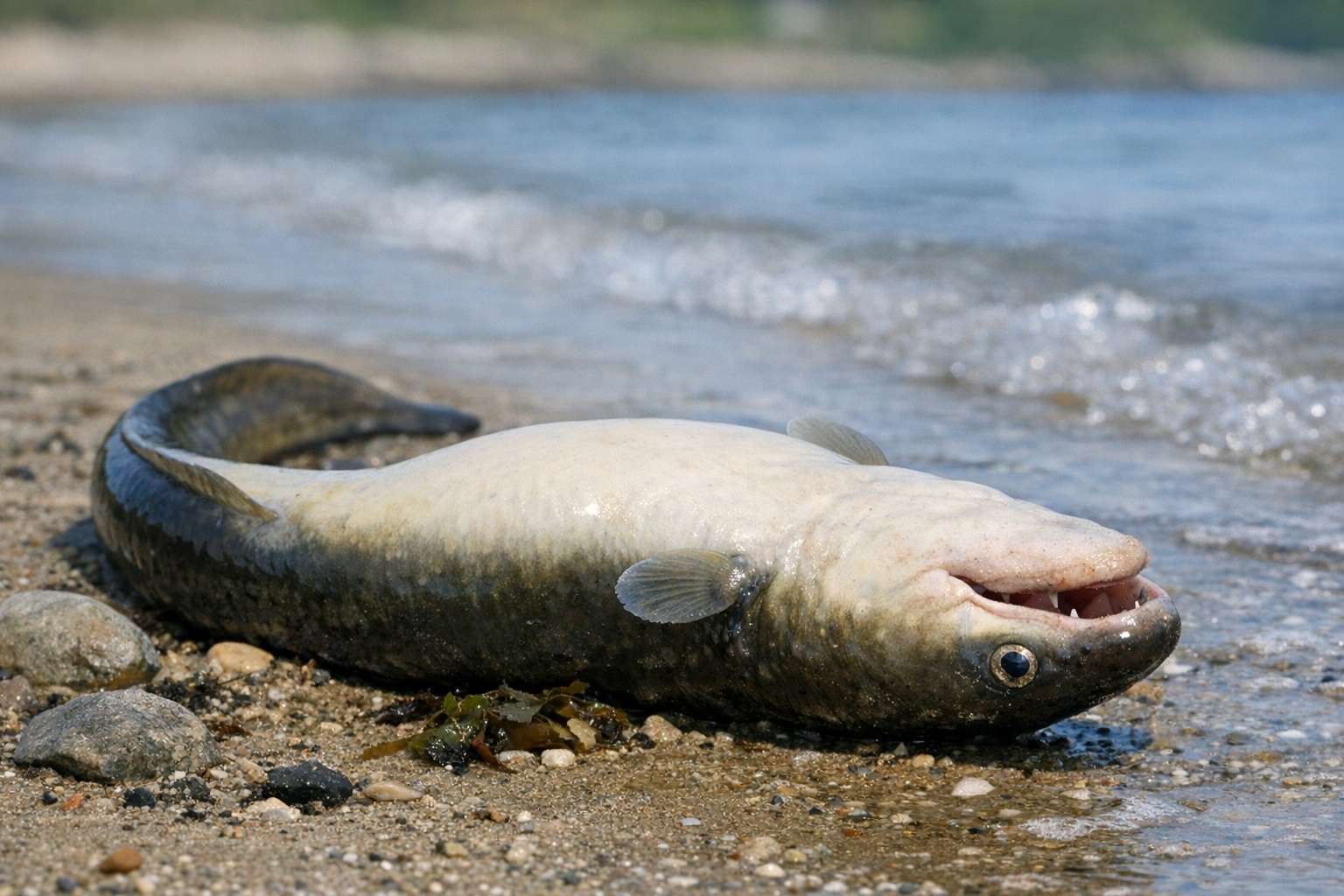
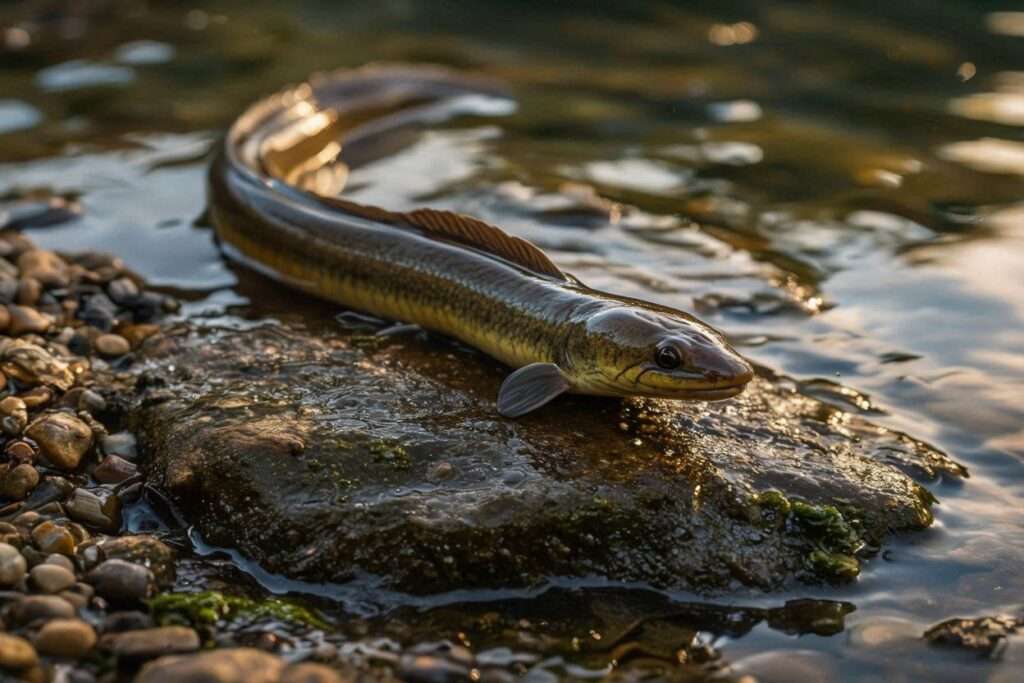
Eels may try to migrate to other bodies of water including backyard ponds. Eel harvesting activities will limit use of the lake for some days each summer. Water quality will have to be monitored to ensure that eel spoor is not reaching dangerous levels.
This is a small price to pay for protecting such a unique, mysterious, beneficial and critically endangered species.
FAQs and Fun Facts
Q: What is the scientific name for eels?
A: The Freshwater eel’s scientific name is Anguilla anguilla (“So good they named it twice”).
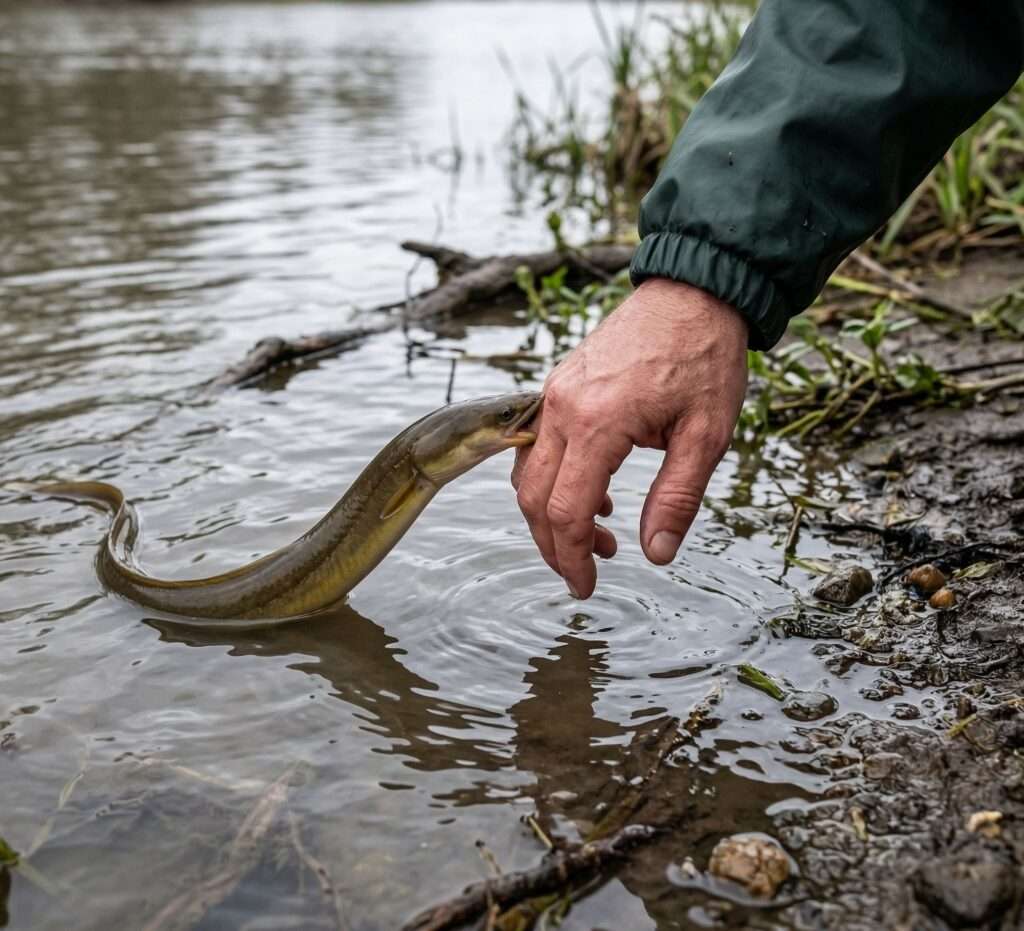
Q: Do eels let go after biting?
A: Once an eel bites they can & will let go. The key is remaining calm. If you do get bitten & pull back suddenly then you seem like prey. But if you remain calm they will eventually let go.
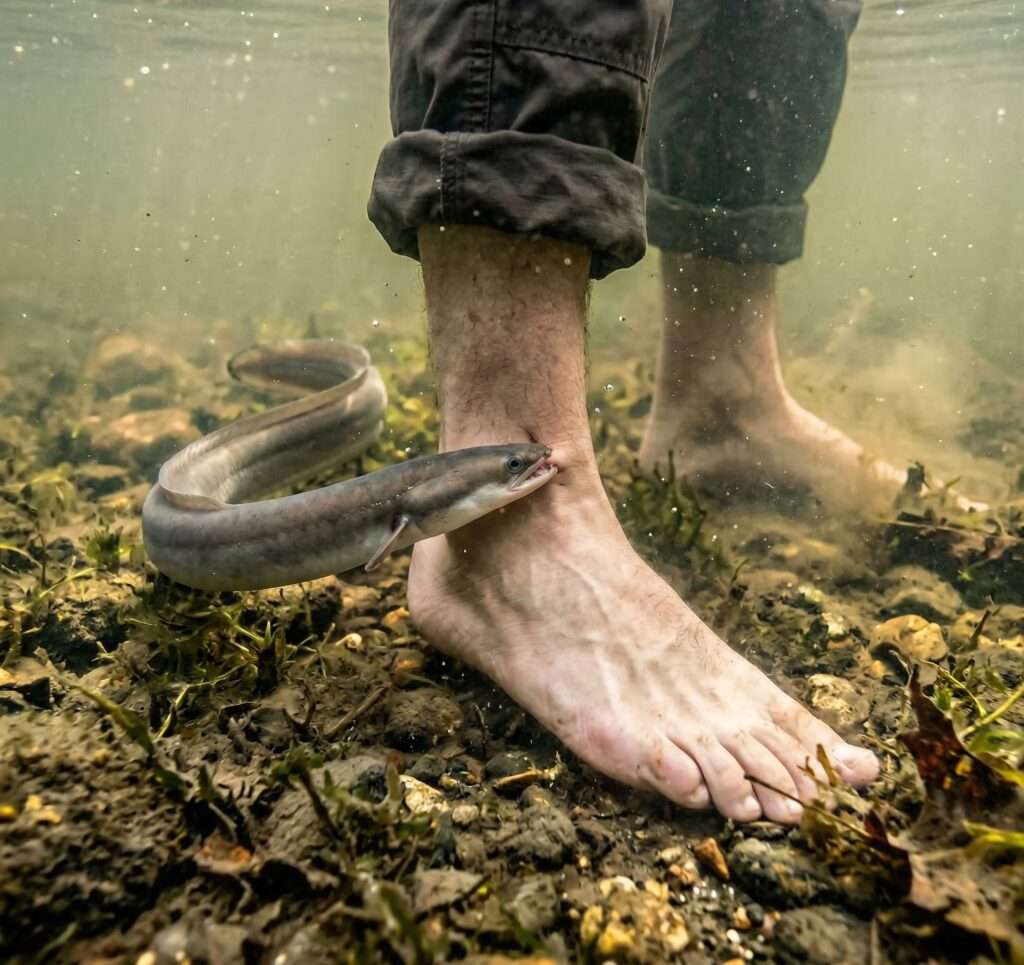
Q: Can eels survive out of water?
A: Eels are able to survive out of water for quite a long time and may crawl through wet grass and over rocks to reach water. So watch out when mowing your lawn or letting the kids play in the yard.
Why Raise Eels?
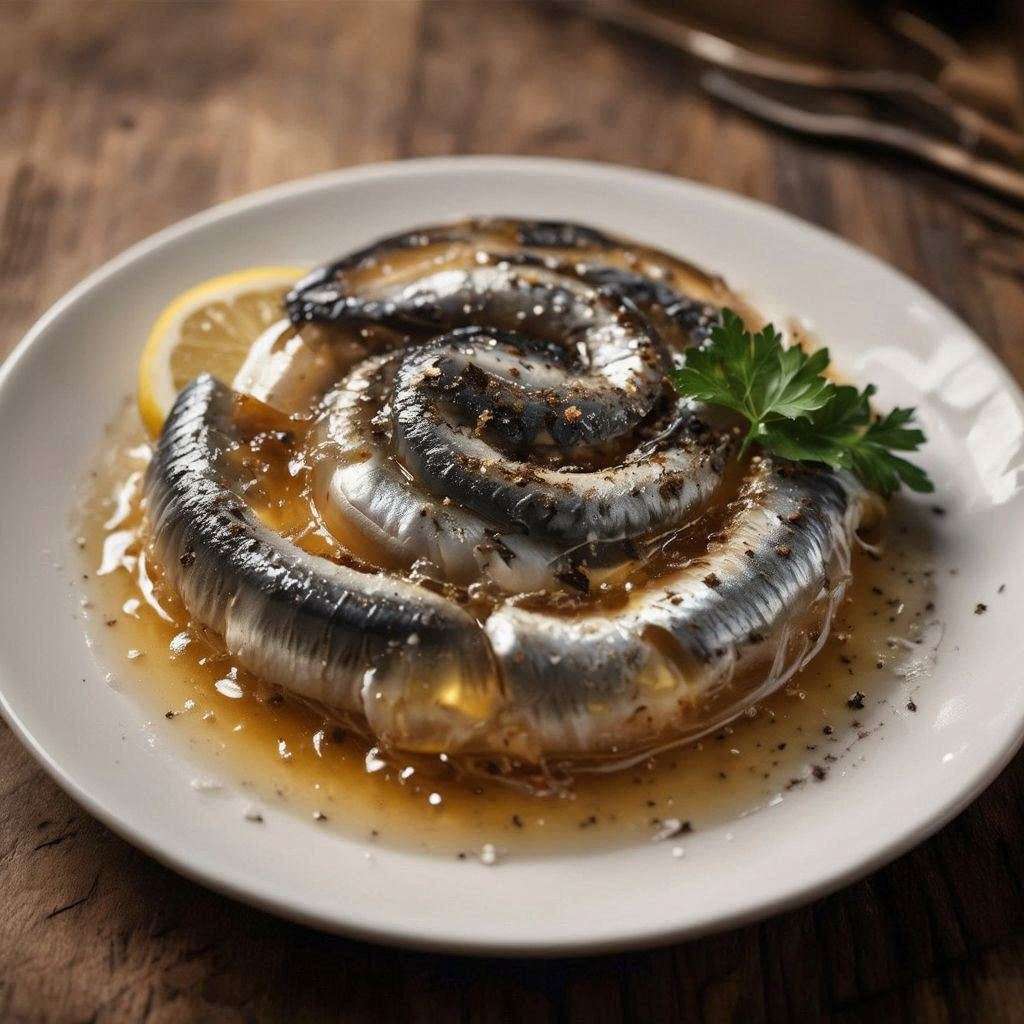
Globally, young eels command hefty prices, ranging from hundreds to thousands of dollars per pound. From sushi to Spanish tapas, eels are eaten around the world in a variety of dishes – a chance for Nova Scotia to diversity its exports, by expanding into this growing market. British food conglomerate Bonnet & Chisham, purveyors of Marmitol (eel extract), Brown Sauce and Mushy Peas, will be partnering with the Nova Scotia Inland Fisheries Initiative on the project. The final products will be jellied eels for the European market, and candied eels for Asian markets.
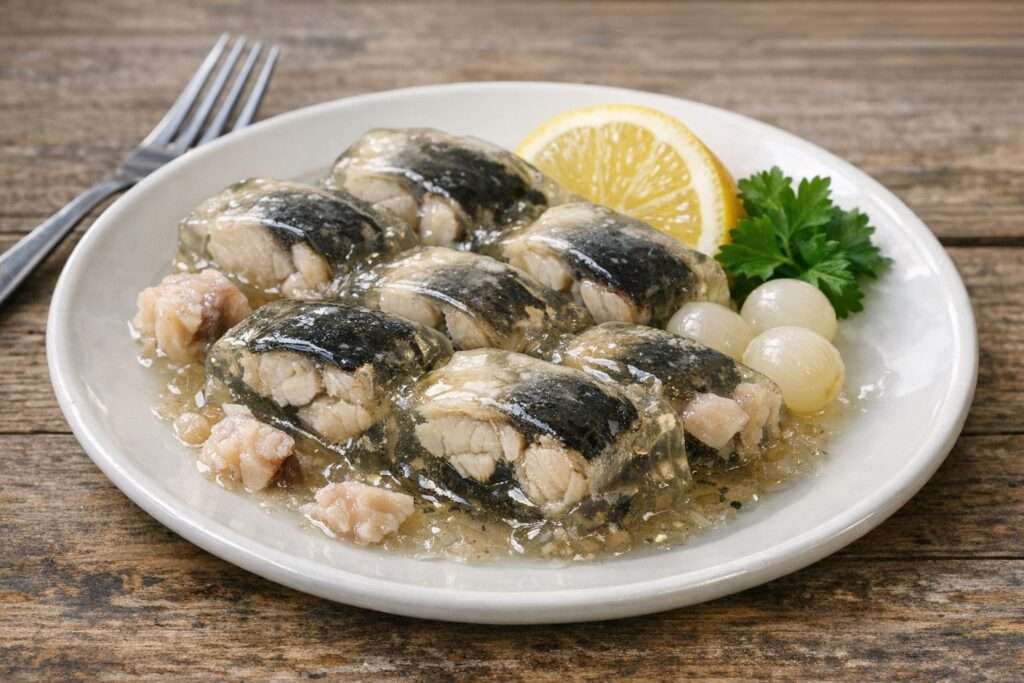

Guess what – it’s April Fools!
Yes – you guessed it! Welcome to our annual April Fools post. As usual, it contains snippets of truth – there really are eels in Williams Lake, but you’re unlikely to encounter them because, unlike our fake farmed eels, they are only active at night. Eels will benefit from the new dam’s fish ladder, and they do feed on leeches (which is why leeches are very rare) – but not on your feet. Nobody will be raising eels in our lake, we just thought we’d have some fun with the idea… but there’s more!
Read on for the real story of the eels of Williams Lake and why they are an important feature of the lake’s environment.
See you next year!
For more information on how you can help support Williams Lake visit our Membership Page.
For more foolishness, visit the world famous WLCC April Fools Archive!
Real Facts About Eels – yes, really!
Q: Are there eels in Williams Lake?
A: American eels really do populate Williams Lake, though they are hard to spot, and active only at night. They keep the lake free of leeches, and are a sign that the lake is a healthy ecosystem.
Q: Are eels really endangered?
A: Despite their ecological importance, freshwater eels have become one of the world’s most imperilled fish. The European eel is listed as Critically Endangered, while the American eel is considered Endangered. In some regions, eel populations have plummeted by 95% since the 1980s. The global demand for young eels is very real, and has led to an illegal trafficking industry, fuelled by the poaching of juvenile eels from the wild. This exploitation targets eels before they’ve had a chance to grow or reproduce, accelerating population collapse.
Q: Do eels benefit Williams Lake?
A: Eels are umbrella, indicator, and flagship species; protecting them protects entire ecosystems. Though often overlooked, freshwater eels benefit their surroundings. They occupy a critical middle tier in the food web, consuming invertebrates, small fish, crustaceans and insect larvae, while serving as prey for larger predators. This dual role makes eels essential for maintaining ecosystem balance.
Q: Should we be happy that there are eels in Williams Lake?
A: Eels serve as sensitive environmental barometers. Because they travel between connected habitats from deep ocean spawning grounds to upstream freshwater refuges, eels are acutely vulnerable to habitat fragmentation, water pollution, dams, and climate change. Healthy eel populations signal healthy, connected waterways, and declining eel numbers often herald broader ecosystem problems. So yes, we should be glad. Did we mention they eat leeches?
Q: Will I ever see an eel in Williams Lake?
A: It’s unlikely during the day. The best way is to shine a flashlight into the water after dark. Eels may be attracted to the light, and you may be able to spot them.
Q: What is the life cycle of the eel?
A: When tiny newborn eels reach 4 inches in length, they darken into Elvers, then gradually become Yellow eels (sexually immature juveniles). Finally, after 5 to 20 years in freshwater, they undergo a dramatic transformation into sleek Silver eels, with enlarged eyes, nostrils, and fins. There are also dramatic internal changes – their digestive tract shrinks as they stop feeding, while their swim bladder, heart, and respiratory muscles enlarge. This process ensures they are ocean-ready to make their long arduous migration back to spawning grounds in the Sargasso Sea.
Q: How do eels find their way back to the sea?
A: Eels use magneto-reception, along with other environmental cues, to navigate. As larvae, eels learn to recognize the magnetic signature (field intensity and magnetic inclination) of their birthplace, a process known as imprinting. As the eel larvae drift along ocean currents towards freshwater, they recognize the magnetic gradient of their migration path, creating a mental “magnetic map”. As adults, eels follow the reverse magnetic path of their initial journey as larvae, back to their spawning grounds. Pretty incredible!