Conservation

Cheep, Chirp, Twitter, Tweet

Cheep, Chirp, Twitter, Tweet

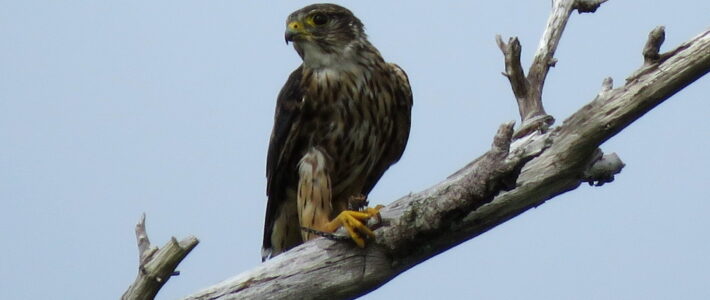
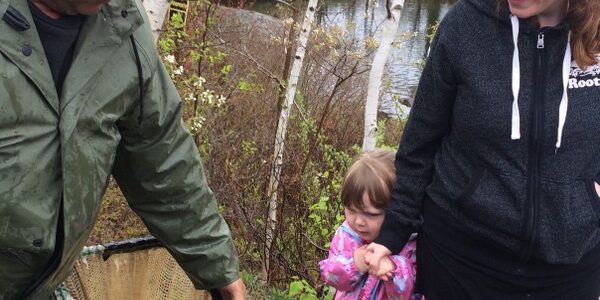
Several conservation-oriented groups in Spryfield have partnered to promote the appreciation and tradition of bird watching in the wilderness parks and community trails of Spryfield. The Williams Lake Conservation Company (WLCC) designed the “Sparrows Hawks Doves” (SHD) project and was awarded funding from the HRM Community Project Grants Program. A key goal for WLCC was to build new local alliances and to invite members of the Purcell’s Cove Backlands Coalition and the Urban Farm Museum Society of Spryfield to join in the field trips for the SHD’s bird survey. (photo: C. Vaughan)

HRM to Recommend Province Take on Williams Lake Dam

Williams Lake Dam

HRM’s Environment and Sustainability Standing Committee (ESSC) addressed the much-anticipated staff report on the Williams Lake dam. The staff report fell flat in several areas, but the big take-away is the recommendation that Halifax Regional Council request the mayor to ask the province to assume responsibility for repairs or replacement of the Williams Lake dam.

‘We’re being passed around’

Murray Coolican

Saltwire: “It’s a leaky dam, but it’s more like a hot potato.

“And for many of the residents who live near Williams Lake in Spryfield, they just want governments to work together to get the problem solved.

““As a resident, we feel like we’re being passed around by these levels of government,” said resident Sanja Trussell.” [Photo: Tim Krochak]

HRM Environmental Committee Report

West end of Williams Lake Sept 2020

HRM’s Environment and Sustainability Standing Committee (ESSC) will consider the Staff Report in response on the remediation of the Williams Lake Dam this Thursday, 3rd February, 2022 to review the report and recommendations.

We need your support. The WLCC feels that a report on declining water levels that gives no consideration to climate change or the impact of development in Williams Lake’s extensive watershed is incomplete at best and at worst misleading. There are concerns about the availability of public access when levels leave popular entry points high and dry.

See the report and consider making your views known to the committee.