WLCC Newsletter 2021 Available for Download
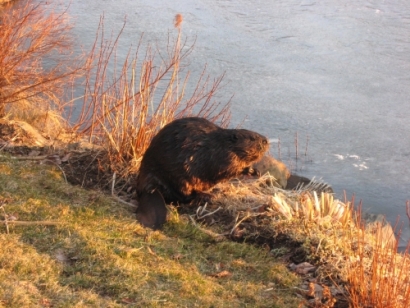
Our 2021 annual Newsletter is now available! It includes updates on the dam & water level issues, land rezoning that would affect the watershed, and an invitation for members and volunteers.
Established in 1968 for the Preservation of Williams Lake
Our 2021 annual Newsletter is now available! It includes updates on the dam & water level issues, land rezoning that would affect the watershed, and an invitation for members and volunteers.
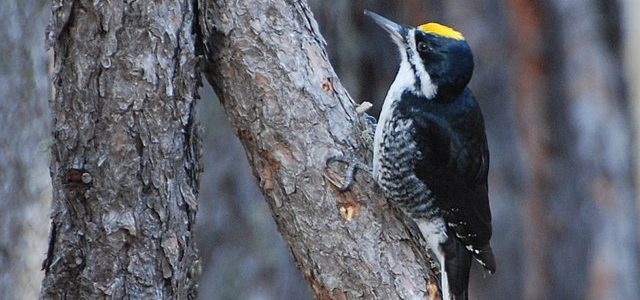
This inky black bird with a sharp white stripe on his face is “nearly synonymous” with periodically burned forests like the Backlands, where it feasts on big, juicy wood-boring beetle larvae.

If you regularly visit a Canadian lake, you too can be a Citizen Scientist. Canadian Lakes Loon Survey participants have worked since 1981 to track Common Loon breeding by monitoring chick hatch and survival. Participants dedicate at least three days, visiting their lake once in June (to see if loon pairs are on territory), once in July (to see if chicks hatch), and once in August (to see if chicks survive long enough to fledge). [Photo: Robin Whyte]
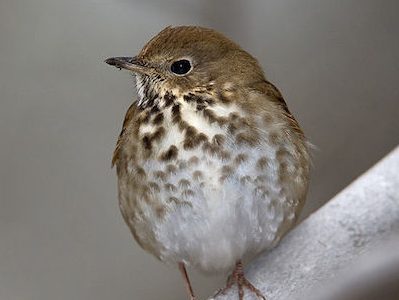
Many Hermit Thrushes established their second nests this season.

The four-legged, silent marauders mow down your azaleas and roses, then decimate your hosta beds. A stand of white birch is chewed to bits and disappears overnight. Canadian geese camp on your lawn, leaving their nasty deposits. A murder of crows commandeers your pine trees for their noisy nurseries. You can fight back, or you can move over. You are in their wildlife corridor.